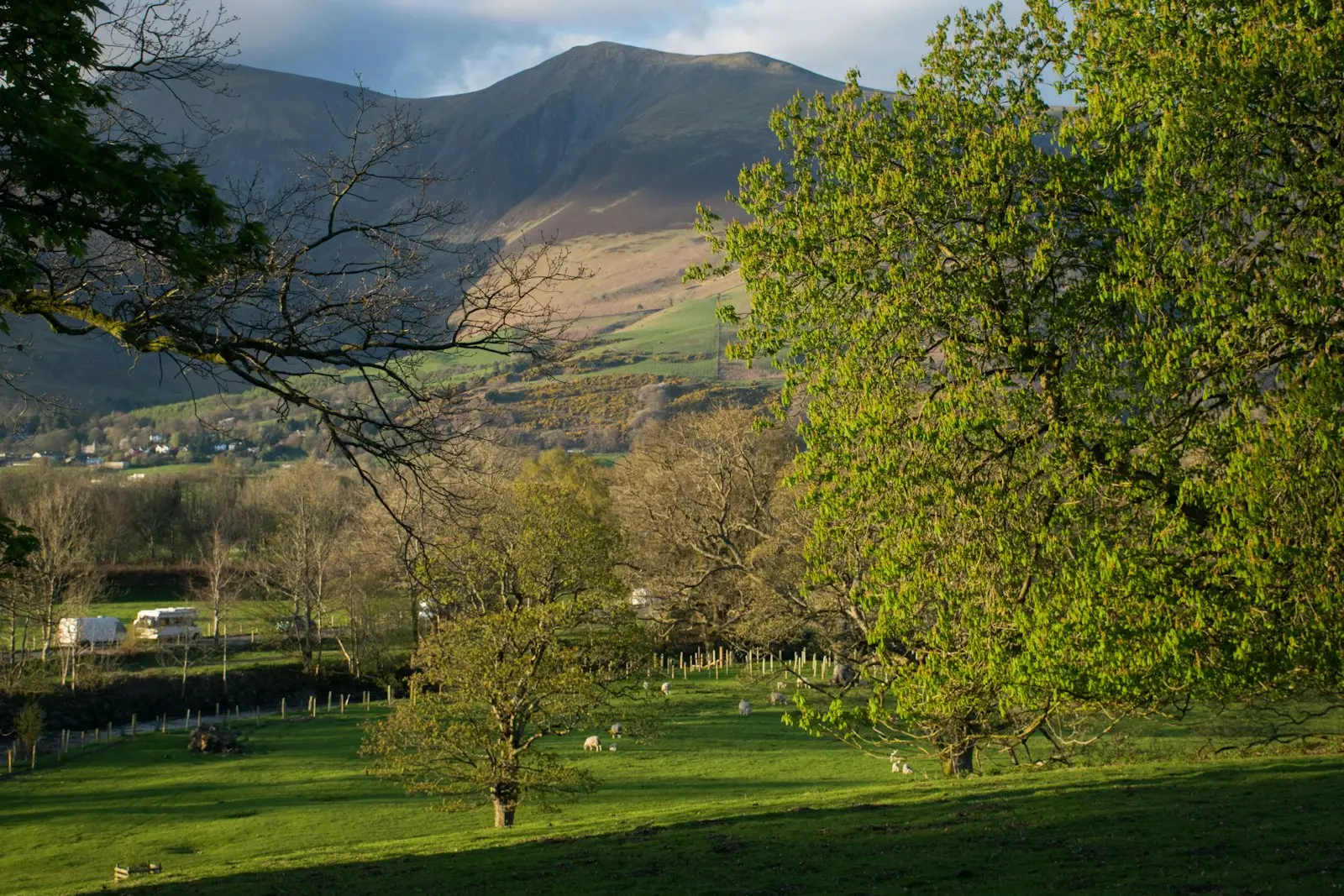
For farmers and landowners
Earn from land you already have.
Let dog owners, detectorists and campers book a field by the hour, day or night. You set the prices, hours and rules. We find the people, take the payments and send you 85%.
Rather talk it through? We'll call you- Free to list
- No monthly fees
- You set the rules
A spare field is worth more than you'd think
People will pay to have a field to themselves for an hour or a night. You don't need to build anything: most fields on Fieldhire are ordinary farmland.
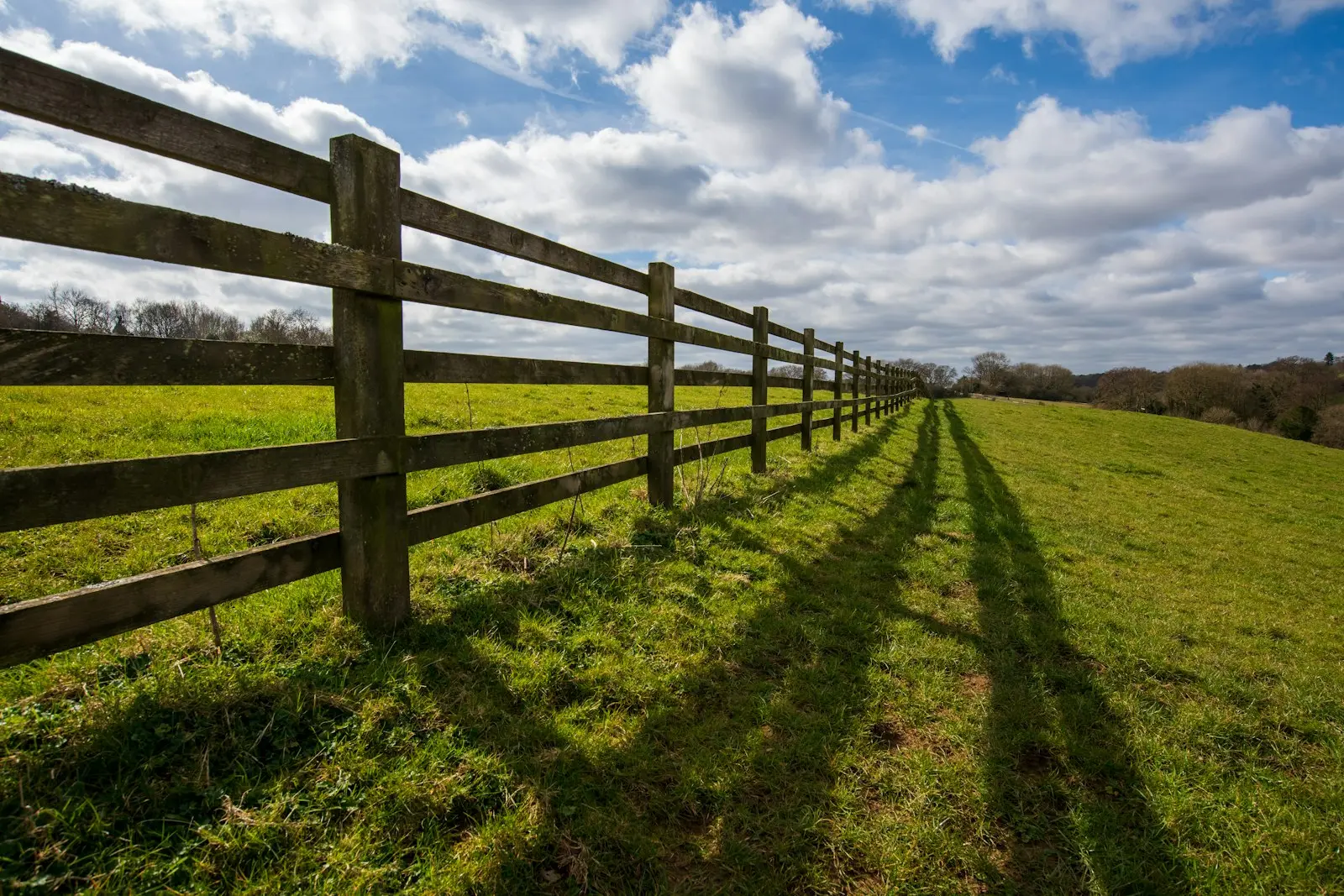
Secure dog walking
Owners of reactive, nervous or young dogs pay by the hour for a fenced field where theirs is the only dog. Often booked several times a week by the same people.
Suits: A field or paddock you can fence securely, ideally with parking by the gate.
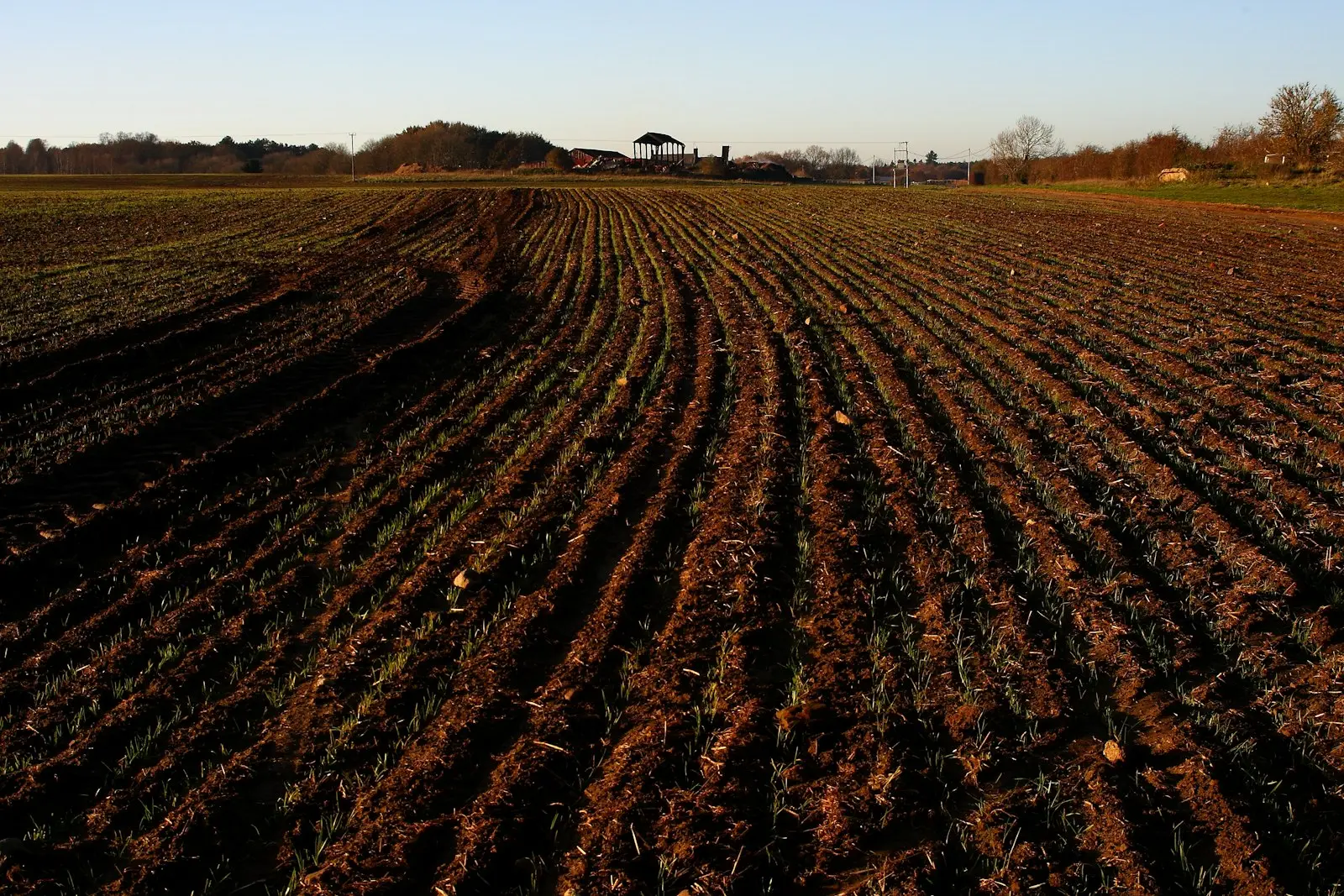
Metal detecting
Detectorists book a day on land they'd otherwise have to ask permission for, and you agree how any finds are shared before they start.
Suits: Ploughed or stubble fields after harvest, and old pasture.
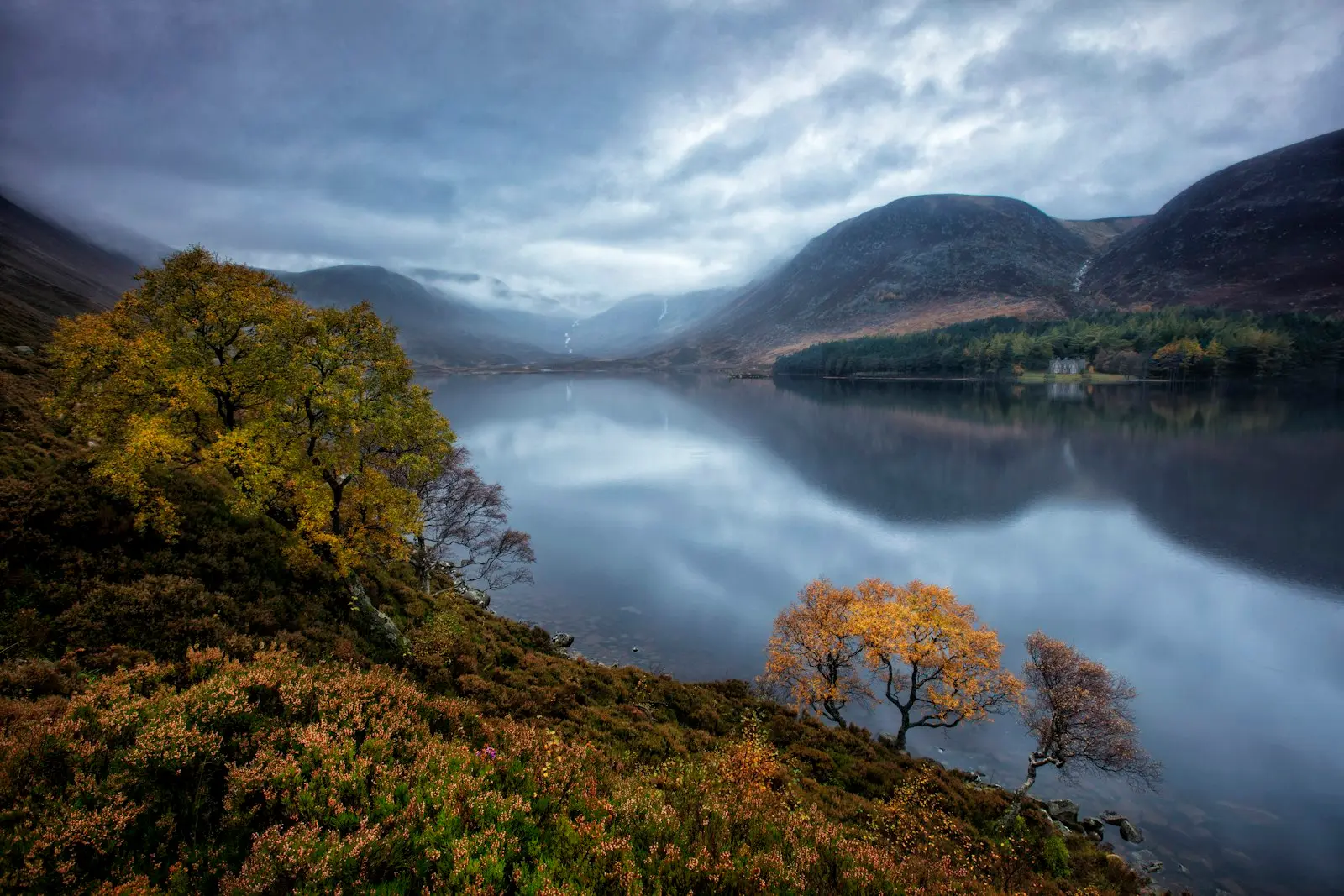
Private camping
Small groups book a night or a weekend on a field that's just theirs: no campsite crowds, just a quiet pitch.
Suits: Flat, well-drained ground with access for cars. A water tap and loo help but aren't essential.
What could your field earn?
The starting prices are what similar fields on Fieldhire charge today. Move the sliders to match your land.
You could earn about
£553
a month
- A year at this rate
- £6,630
- Renters pay a month
- £650
- Fieldhire's 15% fee
- −£98
An example to help you plan, not a promise: what you earn depends on your price, your area and the time of year.
How it works
- 1
List your field
Add photos, where it is, what it's good for, your prices, opening hours and rules. It's free, and we check every new listing before it goes live, usually within two working days.
- 2
Choose how people book
Let them book instantly, or approve each request yourself after seeing who they are and what other landowners said about them.
- 3
They visit
Renters get your gate code, parking and directions once they've paid. You don't need to be there to let them in.
- 4
You get paid
Your share goes to your Stripe account when the renter pays, and Stripe pays it into your bank automatically, usually within a few working days.
Your land, your rules
It's still your farm. Fieldhire fits around how you work, not the other way round.
- Your own prices, by the hour, the day or the night.
- Opening hours for each day of the week. Nobody can book outside them.
- Limits on group size and number of dogs, and your own rules, which renters agree to.
- Block off any days you need the field: lambing, spraying, a family party.
- Every booking on one calendar, which can sync to Google or Apple Calendar on your phone.
- Message renters before and after they visit, without sharing your phone number or email.
Peace of mind, built in
Letting strangers onto your land is a big step. These are there to make it an easy one.
Damage deposits
Ask for a deposit of £10 to £500. It's held on the renter's card before the visit, and if something is damaged you can claim from it for up to 48 hours afterwards.
ID checks
Only accept renters who have checked their passport or driving licence with Stripe Identity. You see an "ID checked" badge on their booking.
Reviews both ways
Landowners review renters after each visit, so you can see who's been a good guest before you accept them.
Late cancellations still pay
If a renter cancels within 48 hours of their booking, you keep your share. Only one booking can hold the field at a time, so there's no double-booking.
Questions landowners ask
What does it cost?
Nothing to list, and no monthly fee. When a booking is paid, Fieldhire keeps 15% and you get the other 85%. Card fees come out of our share, not yours. On a £100 booking, you receive £85.
Do I need insurance?
Fieldhire doesn't insure your land, so check with your insurer that your policy covers members of the public paying to use it. Most farm policies can add public liability cover for this if they don't include it already.
Do I need planning permission?
It depends on the use and where you are. In England, land can usually be used for tent camping for up to 60 days a year without planning permission, if you tell your council first and provide toilets and waste disposal. Regular dog walking or new fencing, parking or buildings can need permission. Rules differ in Scotland and Wales, so check with your local council.
What about metal detecting finds?
Agree a finds split with the detectorist before they start: many landowners agree to share finds 50:50. Anything that may be treasure has to be reported by law. Detecting on scheduled monuments is a criminal offence, so leave them off your listing.
Who can book my field?
Adults with a Fieldhire account. You can require an ID check, approve each booking yourself, and read reviews other landowners have left about a renter before you accept.
Can I stop bookings for a while?
Yes. Block off dates in your calendar, change your opening hours, or take the listing offline whenever you like. Bookings already made stay unless you cancel them, and the renter is then refunded in full.
Do I pay tax on what I earn?
Earnings from your land are income. The first £1,000 a year may be covered by the trading or property allowance; above that, you'll need to declare it to HMRC. Your accountant can tell you how it fits with the rest of your farm income.
See the full terms for landowners.
Rather not fill in forms? We'll do it with you.
Leave your number and we'll give you a ring. We'll answer your questions and, if you'd like to go ahead, set up your listing with you over the phone.
- We call at a time that suits you
- We ask about your land and write the listing together
- You check it over before it goes live
The one thing you'll do yourself is add your bank details for payouts, on Stripe's secure page, so nobody else ever sees them.
We're looking for our first landowners
Fieldhire is new, and we're building it with the farmers who join first. List your field now and we'll help you get your listing right. If you'd rather talk it through first, we'll call you.